Last DoorContinuing Education
Courses
Cart
Sign InGet Started

Last Door Recovery Society

Evidence-based recovery education for professionals and individuals committed to understanding addiction and mental health.

Quick Links

  • Browse Courses
  • My Courses
  • FAQ

Legal

  • Privacy Policy
  • Terms of Service
  • Refund Policy

Contact

  • education@lastdoor.org
  • Support: 1-2 business days

Need bed-based addiction treatment? We do that too. Visit www.lastdoor.org for more information.

© 2026 Last Door Recovery Society. All rights reserved.

Last DoorContinuing Education
Courses
Cart
Sign InGet Started
Introduction to Drugs and the Brain
Beginner

Introduction to Drugs and the Brain

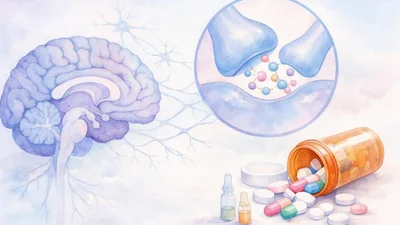
A 3-hour beginner-level course providing foundational knowledge of how substances interact with the brain and nervous system. Covers key neurotransmitter systems, the neurobiological basis of addiction, and the distinction between depressants and stimulants, equipping practitioners with science-based language to support client education and treatment planning.

Lifetime accessCertificate of completion16 lessonsMobile & desktop
Pharmacology & NeuroscienceStimulants
Introduction to Drugs and the Brain
$30CAD
3 CEU hrs

What you'll learn

Describe basic brain anatomy and how neurons communicate (synapses, receptors, transporters).
Explain the roles of major neurotransmitters (dopamine, serotonin, GABA, glutamate, endogenous opioids) in substance effects.
Summarize the neurobiology of addiction using the three-stage model (binge/intoxication; withdrawal/negative affect; preoccupation/anticipation) and related neuroadaptations.
Differentiate depressants and stimulants in mechanism, acute effects, overdose signs and treatment implications.

Professional Recognition

CACCF - Canadian Addiction Counsellors Certification Federation - Approved CEU Provider

Approved for 3 Continuing Education Hours from The CACCF

Eligible for professional development credit with:

CRPOCollege of Registered Psychotherapists of OntarioBCACCBC Association of Clinical CounsellorsOCSWSSWOntario College of Social Workers and Social Service WorkersBCCSWBC College of Social WorkersACSWAlberta College of Social WorkersCNOCollege of Nurses of OntarioBCCNMBC College of Nurses and MidwivesCRNACollege of Registered Nurses of AlbertaIC&RCInternational Certification & Reciprocity Consortium
Disclaimer
These bodies use self-directed professional development models and do not pre-approve CE providers or courses. Registrants are responsible for determining whether activities align with their individual learning goals. Certificate of completion provided for your professional development records.
Recognize common drug–drug interactions and polypharmacy risks (e.g., opioids + benzodiazepines) and their Canadian clinical relevance.
Use plain-language, non-stigmatizing explanations of brain and addiction science to support client education and safety planning.
Apply Canadian evidence, guidance and harm-reduction approaches (e.g., naloxone programs, OAT guidance, CCSA/Health Canada resources) when planning care.
Integrate culturally safe and trauma-informed approaches (including Indigenous-informed harm reduction principles) into client communication and referrals.

Requirements

  • No prior neuroscience training required (beginner level).
  • Approximately 3 hours of uninterrupted time to complete the course.
  • Access to internet and basic devices for reading resources and completing the quiz.
  • Recommended (not required): familiarity with local naloxone program and provincial OAT/clinical guidance for application in practice.

Who this course is for

  • Front-line substance use counsellors and clinicians
  • Peer support and harm reduction workers
  • Social workers and community health workers
  • Primary care providers and nurses new to addiction care
  • Students in health, social work, or counselling programs wanting foundational neuroscience for practice

Course Content

4 sections • 16 lessons • 3 hours total length

About this course

A 3-hour beginner-level course providing foundational knowledge of how substances interact with the brain and nervous system. Covers key neurotransmitter systems, the neurobiological basis of addiction, and the distinction between depressants and stimulants, equipping practitioners with science-based language to support client education and treatment planning.