Last DoorContinuing Education
Courses
Cart
Sign InGet Started

Last Door Recovery Society

Evidence-based recovery education for professionals and individuals committed to understanding addiction and mental health.

Quick Links

  • Browse Courses
  • My Courses
  • FAQ

Legal

  • Privacy Policy
  • Terms of Service
  • Refund Policy

Contact

  • education@lastdoor.org
  • Support: 1-2 business days

Need bed-based addiction treatment? We do that too. Visit www.lastdoor.org for more information.

© 2026 Last Door Recovery Society. All rights reserved.

Last DoorContinuing Education
Courses
Cart
Sign InGet Started
Introduction to Recovery Capital
Beginner

Introduction to Recovery Capital

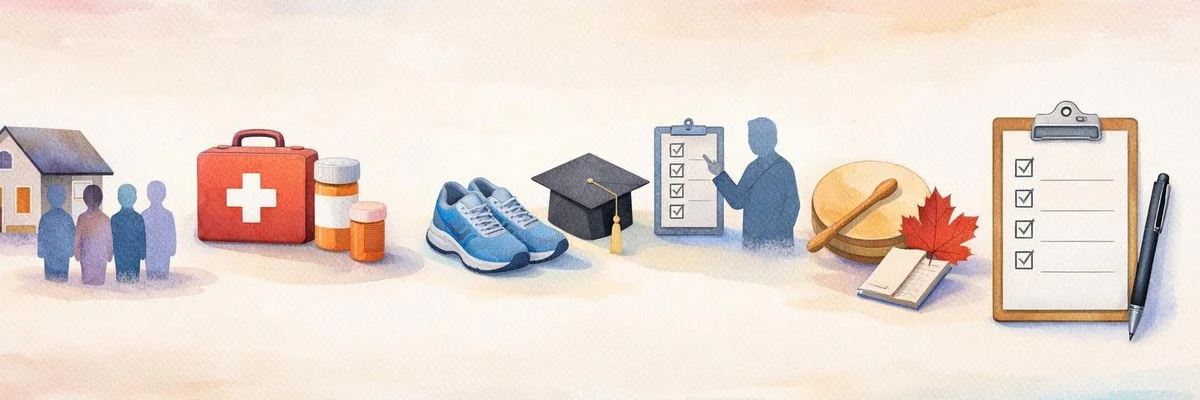
A 3-hour beginner-level course introducing the concept of recovery capital and its application in addiction treatment in Canadian clinical and community settings. Learners explore foundational theory (Cloud, Granfield, White), validated measurement tools, and practical skills for assessing, mentoring, and measuring clients' social, physical, human, and cultural recovery resources — with attention to culturally safe and Indigenous-informed practice and Canadian policy contexts.

Lifetime accessCertificate of completion16 lessonsMobile & desktop
Cultural CompetencyIndigenous Communities

Introduction to Recovery Capital
$30CAD
3 CEU hrs

Professional Recognition

CACCF - Canadian Addiction Counsellors Certification Federation - Approved CEU Provider

Approved for 3 Continuing Education Hours from The CACCF

Eligible for professional development credit with:

CRPOCollege of Registered Psychotherapists of OntarioBCACCBC Association of Clinical Counsellors

What you'll learn

Explain foundational recovery capital theory (Cloud & Granfield; William White) and core principles of recovery-oriented systems of care.
Identify and describe the four core domains of recovery capital (social, physical, human, cultural) with Canadian examples.
Select, administer, score, and interpret validated recovery-capital tools (ARC, BARC-10, REC-CAP/RCI) and understand their strengths and limits.
Use assessment results to build person-centred recovery plans, mentor clients, and set measurable goals.

Apply culturally safe, trauma-informed, and distinctions-based approaches for Indigenous and diverse populations in Canada.
Map and mobilize community resources and integrate recovery-capital work into clinical pathways and Recovery-Oriented Systems of Care (ROSC).
Monitor change over time, report outcomes to stakeholders, and use data for continuous quality improvement.
Address ethical, privacy, and safety considerations (consent, confidentiality, data governance, overdose/harm reduction balance).

Requirements

  • No formal prerequisites (designed for beginners).
  • Basic familiarity with addiction and recovery concepts is recommended for maximum benefit.
  • Access to a computer/tablet and internet to complete online materials and exercises.
  • Allocated time: approximately 3 hours to complete the course.
  • Recommended: access to local service directories or ability to search for community resources for applied exercises.

Who this course is for

  • Frontline addiction counsellors, social workers, and clinicians
  • Peer support workers and recovery mentors
  • Community program staff and case managers
  • Primary care providers and allied health professionals
  • Program managers, planners, and policy makers involved in recovery-oriented services
  • Students in social work, counselling, nursing, or related health professions

Course Content

4 sections • 16 lessons • 3 hours total length

About this course

A 3-hour beginner-level course introducing the concept of recovery capital and its application in addiction treatment in Canadian clinical and community settings. Learners explore foundational theory (Cloud, Granfield, White), validated measurement tools, and practical skills for assessing, mentoring, and measuring clients' social, physical, human, and cultural recovery resources — with attention to culturally safe and Indigenous-informed practice and Canadian policy contexts.

OCSWSSW
Ontario College of Social Workers and Social Service Workers
BCCSWBC College of Social Workers
ACSWAlberta College of Social Workers
CNOCollege of Nurses of Ontario
BCCNMBC College of Nurses and Midwives
CRNACollege of Registered Nurses of Alberta
IC&RCInternational Certification & Reciprocity Consortium
Disclaimer
These bodies use self-directed professional development models and do not pre-approve CE providers or courses. Registrants are responsible for determining whether activities align with their individual learning goals. Certificate of completion provided for your professional development records.