Last DoorContinuing Education
Courses
Cart
Sign InGet Started

Last Door Recovery Society

Evidence-based recovery education for professionals and individuals committed to understanding addiction and mental health.

Quick Links

  • Browse Courses
  • My Courses
  • FAQ

Legal

  • Privacy Policy
  • Terms of Service
  • Refund Policy

Contact

  • education@lastdoor.org
  • Support: 1-2 business days

Need bed-based addiction treatment? We do that too. Visit www.lastdoor.org for more information.

© 2026 Last Door Recovery Society. All rights reserved.

Last DoorContinuing Education
Courses
Cart
Sign InGet Started
Neuroscience of Addiction: Clinical Applications
Advanced

Neuroscience of Addiction: Clinical Applications

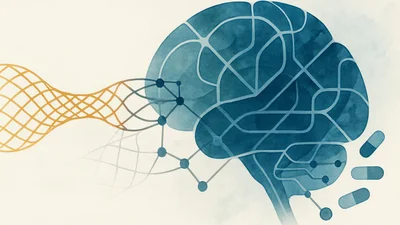
This course translates contemporary addiction neuroscience into clinical tools for Canadian counsellors and healthcare professionals, covering brain circuits, neurobiology of craving and relapse, psychopharmacology, and neuroinformed assessment and intervention strategies. Participants will gain skills in neuroeducation, individualized treatment planning, harm-reduction informed relapse prevention, and evidence-based communication to improve engagement and outcomes in Canadian addiction/recovery settings.

Lifetime accessCertificate of completion16 lessonsMobile & desktop
Harm ReductionCounselling SkillsConcurrent DisordersAssessment & ScreeningAlcoholCannabisOpioidsPolysubstance UseStimulants
Neuroscience of Addiction: Clinical Applications
$60CAD
6 CEU hrs

What you'll learn

Translate current addiction neuroscience into neuroinformed assessment and individualized treatment plans suitable for Canadian practice settings.
Apply guideline-based psychopharmacology and overdose-prevention strategies (e.g., buprenorphine, methadone, naltrexone, naloxone) in alignment with Canadian guidance (CRISM, CAMH, provincial resources).
Deliver culturally safe, trauma-informed neuroeducation and harm-reduction relapse-prevention that improves engagement and outcomes across diverse Canadian populations.

Requirements

  • Professional clinical background (e.g., counselling, nursing, medicine, psychology, social work, pharmacy) or equivalent experience working in addiction/recovery services.
  • Basic familiarity with addiction concepts and common screening tools (e.g., AUDIT, DAST, CRAFFT) and comfort making clinical care decisions.

Who this course is for

  • Canadian counsellors, addiction clinicians, nurse practitioners, physicians, psychologists, social workers, and pharmacists working in addiction and recovery services.

Professional Recognition

CACCF - Canadian Addiction Counsellors Certification Federation - Approved CEU Provider

Approved for 6 Continuing Education Hours from The CACCF

Eligible for professional development credit with:

CRPOCollege of Registered Psychotherapists of OntarioBCACCBC Association of Clinical CounsellorsOCSWSSWOntario College of Social Workers and Social Service WorkersBCCSWBC College of Social WorkersACSWAlberta College of Social WorkersCNOCollege of Nurses of OntarioBCCNMBC College of Nurses and MidwivesCRNACollege of Registered Nurses of AlbertaIC&RCInternational Certification & Reciprocity Consortium
Disclaimer
These bodies use self-directed professional development models and do not pre-approve CE providers or courses. Registrants are responsible for determining whether activities align with their individual learning goals. Certificate of completion provided for your professional development records.
  • Program leads, clinical educators, and policy staff implementing neuroinformed care and harm-reduction approaches in community, primary care, and specialty settings.
  • Course Content

    4 sections • 16 lessons • 6 hours total length

    About this course

    This course translates contemporary addiction neuroscience into clinical tools for Canadian counsellors and healthcare professionals, covering brain circuits, neurobiology of craving and relapse, psychopharmacology, and neuroinformed assessment and intervention strategies. Participants will gain skills in neuroeducation, individualized treatment planning, harm-reduction informed relapse prevention, and evidence-based communication to improve engagement and outcomes in Canadian addiction/recovery settings.